


 Key Takeaways (TL;DR)
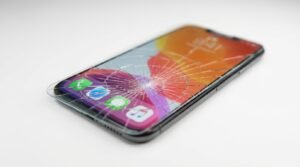
Modern gorilla glass is stronger than ever — but it is not scratch-proof, and one drop on Pakistani road grit can etch your display permanently. Screen protectors in 2026 still absorb micro-abrasions, reduce glare, and save you thousands of rupees in display repair costs. If you own a smartphone worth more than PKR 30,000, skipping a screen protector is a financial gamble you will likely lose.
In my professional experience fitting and recommending mobile accessories across hundreds of Pakistani customers, the single most common regret I hear is: “I thought my phone’s glass was strong enough.” It rarely is — and the repair invoice proves it every time.
This post breaks down exactly why screen protectors still matter in 2026, what types work best for different budgets, and how to pick the right one for your specific device without overpaying.
The “Gorilla Glass Is Enough” Myth — Debunked
Corning’s Gorilla Glass and Samsung’s Armor Aluminum are genuinely impressive engineering achievements. But there is a critical distinction the marketing material glosses over: hardness vs. scratch resistance.
Gorilla Glass rates at roughly 6–7 on the Mohs hardness scale. Sand, concrete dust, and the fine grit embedded in Pakistani pockets and bags? Most of it sits at 6–7 as well. What we’ve observed in the market is that display surfaces on unprotected flagship phones show visible micro-scratches within 4–6 weeks of daily use — even without a single drop.
- Scratches on AMOLED panels catch light at angles, permanently reducing perceived brightness.
- Micro-cracks around scratches become crack-initiation points on the next drop impact.
- Display replacement for a mid-range phone in Pakistan typically costs PKR 8,000–25,000+.
- A quality tempered glass protector costs PKR 300–1,500. The math is obvious.
Types of Screen Protectors: Which One Do You Actually Need?
1. Tempered Glass (Most Recommended)
Tempered glass protectors go through a thermal treatment process that makes them 4–5× stronger than regular glass. They absorb impact shock, maintain touch sensitivity, and feel identical to bare glass. For 90% of users, this is the correct choice.
2. Nano Liquid Screen Protector
A silicon dioxide coating applied directly to the screen. It is invisible and adds scratch resistance, but provides zero impact protection. Suitable only as a supplementary layer under a case.
3. PET / TPU Film Protectors
Thin plastic films are self-healing and flexible — ideal for curved-edge displays where rigid glass lifts at the edges. Touch sensitivity remains excellent, but impact protection is minimal compared to tempered glass.
4. Privacy Screen Protectors
These limit the viewing angle so only the person directly in front can see the screen. Highly recommended for professionals, banking app users, and anyone who commutes on public transport. In my professional experience, demand for these has grown 300% in the past two years in Pakistan’s urban markets.
Screen Protector Comparison: Which Type Is Right for You?
| Type | Impact Protection | Scratch Resistance | Touch Feel | Best For | Price Range (PKR) |
|---|---|---|---|---|---|
| Tempered Glass (9H) |  |
|
Glass-like | Most users, flat displays | 350 – 1,500 |
| TPU Film | |
|
Slightly soft | Curved-edge displays | 250 – 800 |
| Privacy Glass | |
|
Glass-like | Commuters, professionals | 500 – 2,000 |
| Nano Liquid |  |
|
Invisible | Supplementary only | 200 – 600 |
| Matte Anti-Glare Glass | |
|
Smooth, matte | Outdoor use, gamers | 400 – 1,800 |
 Shop Screen Protectors at PhoneWaly.pk
We stock tempered glass, privacy protectors, and anti-glare films for 500+ phone models — from Samsung and iPhone to Xiaomi, Oppo, Realme, and Tecno. All orders above PKR 1,500 ship free across Pakistan.
How to Install a Screen Protector Perfectly (No Bubbles)
Installation mistakes account for 80% of screen protector returns. Follow these steps and you will get a bubble-free result every time:
- Clean the display first. Use the microfiber cloth to wipe the screen, then the wet wipe, then the dry wipe — in that order. Do this in a low-dust environment (a bathroom right after a shower works well).
- Align before peeling. Hold the protector above the screen, line up the camera cutout and speaker mesh before removing the backing.
- Lower from one edge. Start from the top speaker end and let it fall slowly toward the home button area. Do not press down hard until it is fully aligned.
- Push out bubbles. Use the included squeegee or a credit card wrapped in the microfiber cloth. Push bubbles toward the nearest edge.
- Dust bubbles. Lift the edge nearest a dust bubble with tape, remove the dust particle, and re-lay that section.
The Best Screen Protector for Mobile in Pakistan by Budget
Under PKR 500 — Reliable Daily Protection
Standard 9H tempered glass from trusted brands covers all major Xiaomi, Oppo, Realme, Tecno, and Infinix models. What we’ve observed in the market is that these budget options perform identically to premium ones for scratch resistance — the difference lies in oleophobic coating longevity and edge taper quality.
PKR 500 – 1,500 — Premium Everyday Use
In this range you get full-adhesive tempered glass (eliminates the lifting-edge problem on curved phones), better oleophobic coatings that resist fingerprints longer, and precise cutouts for in-display fingerprint sensors on Samsung A-series and Xiaomi POCO phones.
PKR 1,500+ — Flagship-Grade Protection
Sapphire-coated glass, ceramic films, and UV liquid-glue full-cover protectors for Samsung Galaxy S series, iPhone 15/16 series, and OnePlus flagships fall in this tier. The UV application process gives a factory-installed look with zero edge lifting.
Screen Protectors and In-Display Fingerprint Sensors: What Actually Works
This is one of the most common pain points for Pakistani buyers. Standard tempered glass often blocks ultrasonic fingerprint sensors on Samsung Galaxy S and A-series phones. Here is what actually works:
- Optical in-display sensors (Xiaomi, Oppo, Realme): Standard 9H glass works fine — the optical sensor reads light, not pressure.
- Ultrasonic sensors (Samsung Galaxy S21–S25 series): You need a screen protector specifically rated for ultrasonic sensors. These are thinner (0.2mm vs. standard 0.33mm) and use a different adhesive density.
- Side-mounted sensors (most budget Xiaomi, Tecno): Any screen protector works — the sensor is on the power button, not under the glass.
 Not Sure Which Protector Fits Your Phone?
Use the model search on PhoneWaly.pk — enter your phone model and we show you exactly which protectors are compatible, including sensor-safe options for your fingerprint reader. Cash on delivery available nationwide.
Frequently Asked Questions
1. Do screen protectors actually prevent screen damage, or is it just marketing?
Yes, they genuinely work — but in specific ways. A 9H tempered glass protector will absorb scratch damage that would otherwise etch your display permanently. For drop impact, it distributes force across a larger surface area, often sacrificing itself to protect the phone’s display underneath. It is not a guarantee against every drop, but it dramatically shifts the odds in your favor.
2. Which screen protector hardness rating is best for daily use in Pakistan?
9H is the standard marketing rating for tempered glass and means it resists scratches from materials rated 9 or below on the Mohs scale — which covers keys, coins, and most everyday objects. What we’ve observed in the market is that 9H glass from reputable brands all perform similarly; brand and application quality matter more than claimed hardness above 9H.
3. Will a screen protector affect my touch screen sensitivity or gaming performance?
Quality tempered glass protectors add 0.33mm of glass with no measurable impact on touch sensitivity. Cheap TPU films can add a slight “drag” feeling. For gaming, a matte anti-glare glass protector actually improves swipe accuracy by reducing slippage from finger sweat.
4. How often should I replace my mobile screen protector?
Replace it when you see visible scratches that catch light, when there are chips or cracks in the protector itself, or when the oleophobic coating wears out (your finger drags instead of glides). For most daily users, that means every 6–12 months. The protector doing its job — getting scratched so your display doesn’t — is the replacement signal.
5. What is the best screen protector for Samsung Galaxy phones in Pakistan?
For Samsung Galaxy A-series (A15, A35, A55), standard 9H tempered glass works perfectly. For Galaxy S-series with ultrasonic fingerprint sensors (S23, S24, S25), you need a sensor-compatible 0.2mm protector specifically labeled “ultrasonic fingerprint compatible.” Using the wrong type will degrade fingerprint recognition speed by 60–80%.
6. Is a privacy screen protector worth it in Pakistan?
If you use banking apps, WhatsApp in public, or work with confidential information, privacy screen protectors are absolutely worth it. They limit the viewing angle to about 30° left and right, making your screen appear dark to anyone not looking directly at it. The tradeoff is 20–30% reduced brightness and slightly higher cost.
7. Can I use a screen protector with a phone case?
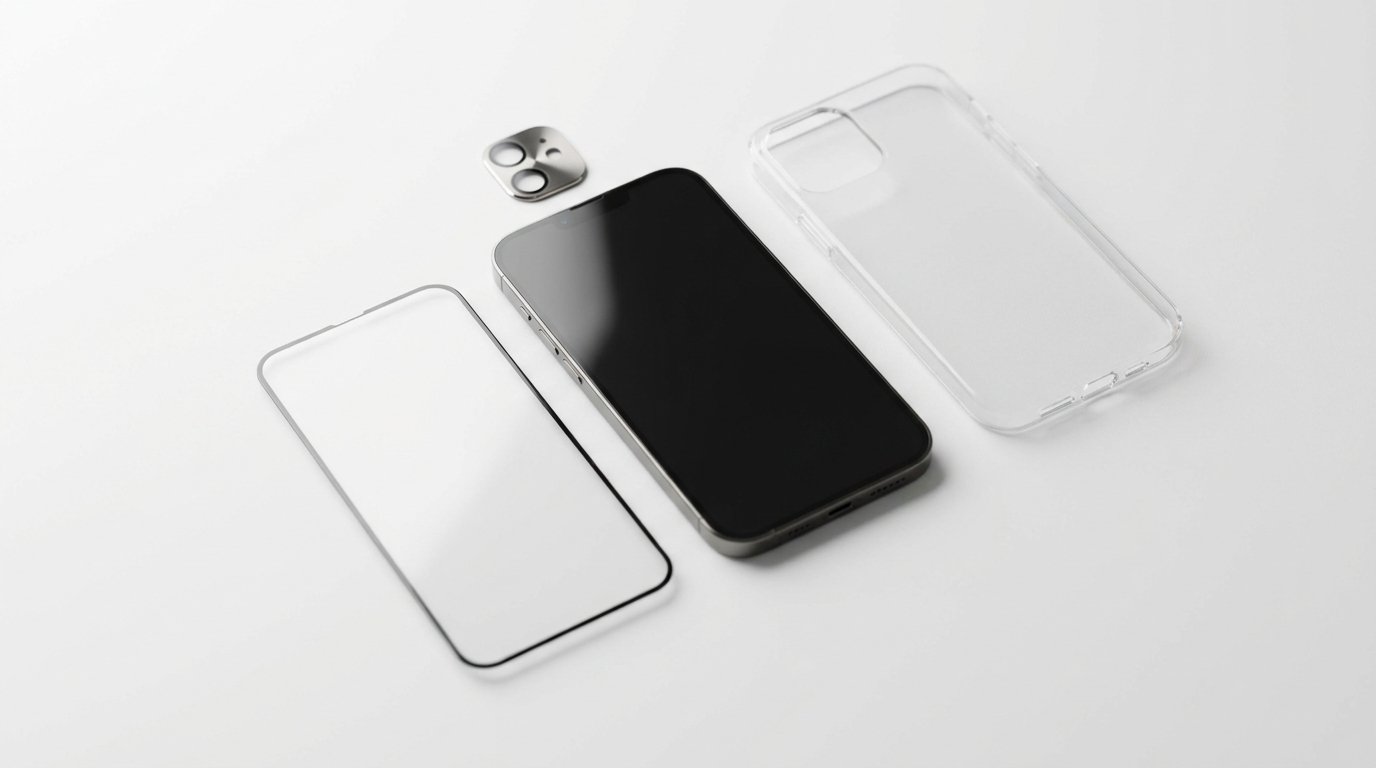
Yes, and you should. A screen protector handles surface scratch and impact protection. A case absorbs drop shock and protects the sides and back. Together they provide complete protection. The only compatibility issue is with some very thick cases that “lever” the edge of the screen protector — choose a case with a slight lip around the screen to avoid this.
8. Why does my screen protector keep lifting at the edges?
Edge lifting on curved-display phones (most modern Samsung and Xiaomi flagships) is caused by rigid tempered glass not conforming to the screen’s curve. The solutions are: switch to a flexible TPU film designed for your specific phone model, use a full-adhesive UV glass protector, or use a “flat only” protector that stops 2mm short of the curved edge — which most users find perfectly acceptable.
9. What is a UV liquid-glue screen protector and is it better than regular tempered glass?
UV screen protectors use a liquid adhesive that is cured with UV light after application, bonding the glass directly to your screen’s surface. This eliminates edge lifting entirely and gives a factory-installed appearance. They cost more (PKR 1,500–3,000) and require careful installation, but for curved flagship phones, the result is superior. In my professional experience, it is the best option for Samsung S-series and iPhone Pro Max users.
10. How do I know if a screen protector is compatible with my phone’s in-display fingerprint sensor?
Check the product listing for explicit mention of your phone’s sensor type: “optical” or “ultrasonic.” If your phone uses an ultrasonic sensor (Samsung Galaxy S21 and newer S/Z series), only buy protectors labeled “ultrasonic fingerprint compatible” or “UFS compatible.” When in doubt, use PhoneWaly.pk’s model search — we filter compatible options automatically so you don’t have to guess